PLANS and PERMITTING
in LOS ANGELES COUNTY
Permitting with Pacific Sands
Project permitting can be a long, tedious, and frustrating process. At Pacific Sands, we pride ourselves on our designs and our ability to get them through that process with as few rounds of changes and revisions as possible.
Los Angeles County's project permitting can involve various departments in the county in addition to the city where the project is located.
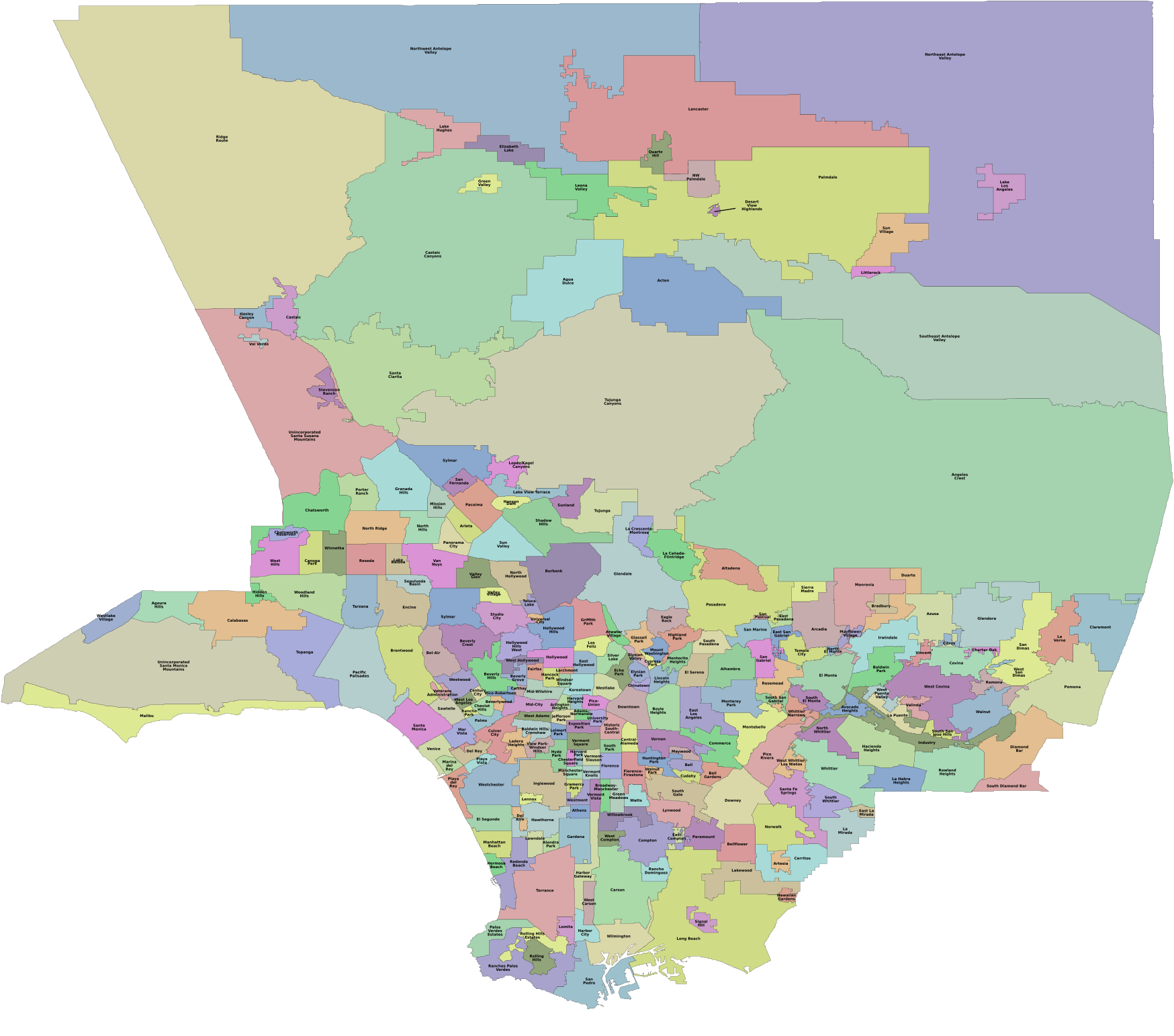
Cities with Permitting Jurisdictions within Los Angeles County
| Agoura Hills | Compton | Industry | Monrovia | San Marino |
|---|---|---|---|---|
| Alhambra | Covina | Irwindale | Montebello | Santa Clarita |
| Arcadia | Cudahy | La Cañada Flintridge | Norwalk | Santa Fe Springs |
| Artesia | Culver City | La Habra Heights | Palmdale | Santa Monica |
| Avalon | Diamond Bar | La Mirada | Palos Verdes Estates | Sierra Madre |
| Azusa | Downey | La Puente | Paramount | Signal Hill |
| Baldwin Park | Duarte | La Verne | Pasadena | South El Monte |
| Bell | El Monte | Lakewood | Pomona | South Gate |
| Bell Gardens | El Segundo | Lancaster | Rancho Palos Verdes | South Pasadena |
| Bellflower | Gardena | Lawndale | Redondo Beach | Temple City |
| Beverly Hills | Glendale | Lomita | Rico Rivera | Torrance |
| Bradbury | Glendora | Long Beach | Rolling Hills | Vernon |
| Burbank | Hawaiian Gardens | Lynwood | Rolling Hills Estates | Walnut |
| Calabasas | Hawthrone | Malibu | Rosemead | West Covina |
| Carson | Hermosa Beach | Manhattan Beach | San Dimas | West Hollywood |
| Cerritos | Hidden Hills | Maywood | San Fernando | Westlake Village |
| Claremont | Huntington Park | Monterey Park | San Gabriel | Whittier |
| Commerce | Inglewood |
Standard Permit Process Explanation
What is a permit?
A building permit is a legal document issued by a city or county that outlines the approved plans for construction. A permit also act as a record of completed inspections and final approval.
Permit issuance is dependent upon the approval of other required agencies that may be triggered based on the scope of work. The permit can only be issued to a contractor with the appropriate license(s) Contractors State License Board (CSLB), to the property owner in certain cases, or to an agent representing one of these two permittees. A permit fee is collected, and the permittee is given the proper permit documents to start construction.
Why is a permit needed?
A permit is a way to protect a property owner’s investment. Work that is done without the proper, required permits could cause additional cost to permit or demolish the unpermitted work, denial of insurance claims, possible civil or criminal prosecution, and uncertainty regarding the safety and quality of the unpermitted construction.
When is a permit required?
Generally, permits are required for the following:
- New buildings
- Additions to buildings
- Tenant Improvements
- Accessory Dwelling Unit conversions
- Miscellaneous items (decks, patios, fences over 6’, fireplaces, pools, retaining walls, ADA striping and path of travel, etc.)
- Remodels and renovations (changes in occupancy or use, garage conversions, kitchen remodels, stucco, window(s) and door(s) changeouts, etc.)
- New, expanded, or replaced electrical items
- New, expanded, or replaced mechanical items
- New, expanded, or replaced plumbing items
- Grading work
Example of Permit Types by Department
| Review Department | Clearances |
|---|---|
| Building & Safety Division | Electrical Section - Solar |
| Environmental Programs Division | Construction & Demo Debris Recycling and Reuse Plan |
| Environmental Programs Division | Fire Debris Removal Final Sign Off Certificate |
| Fire Prevention Bureau | Fire Protection Engineering - (As Required by Form 195) |
| Fire Prevention Bureau | Sprinklers, Residential & Remodel, Hoods, Tanks |
| Geotech & Materials Engineering Division | Geo/Soils Sections - Plan Approval is Required for Site Stability |
| Geotech & Materials Engineering Division | Referral for Retaining Walls or Systems |
| Local Water Company | Fire Flow Availability Letter (Form 195/196) Completed by Water Company |
| Local Water Company | "Will Serve" Letter from Water Company |
Types of Projects Pacific Sands Has Done in Los Angeles County
- Garage Accessory Dwelling Unit (GADU) Conversions
- Accessory Dwelling Unit (ADU) conversions
- Home additions
- Residence conversions
- Remodels
- New construction